Understanding Sew In Hair Extensions
Sew in hair extensions have gained immense popularity for their ability to enhance volume, length, and overall style without permanent alteration to natural hair. This method involves sewing the extensions into braided sections of the natural hair, creating a secure hold that can last for weeks. With the right care, sew in extensions can provide a stunning look while maintaining the health of your natural hair. When exploring options, sew in hair extensions offer a diverse range of choices from various lengths to textures, catering to individual preferences.
What Are Sew In Hair Extensions?
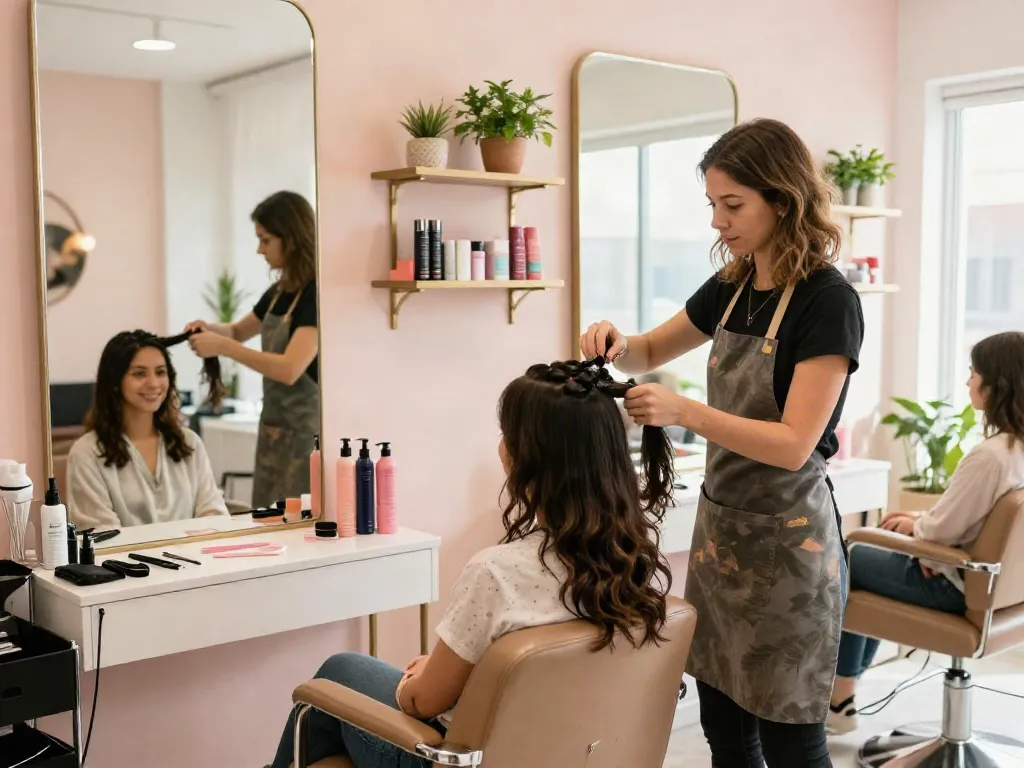
Sew in hair extensions are made of either human hair or synthetic fibers and are designed to blend seamlessly with your natural hair. The application involves creating braids in your hair and then securely stitching the wefts of hair extensions onto these braids. This method not only allows for a natural appearance but also provides the wearer with versatility in styling. Commonly used in salons, sew ins are favored for their durability and the ability to provide a fuller look without the need for complex adhesives or bonding agents.
Benefits of Choosing Sew In Hair Extensions
- Longevity: When applied correctly, sew in extensions can last anywhere from 6 to 12 weeks, making them a cost-effective choice for many.
- Versatility: Sew in extensions can be styled just like natural hair, allowing for curling, straightening, and even coloring.
- Volume and Length: They provide an excellent solution for those wanting to add thickness and length without compromising hair health.
- Protection: Sew ins can protect natural hair from heat damage caused by styling tools.
Debunking Common Myths About Sew Ins
There are several misconceptions surrounding sew in hair extensions. One common myth is that they damage natural hair. While improper application and maintenance can lead to damage, a professional installation and proper care can actually protect and preserve your natural hair. Another myth is that sew ins are only suitable for individuals with thick hair. In reality, there are various techniques and types of extensions that cater to all hair types and textures, including fine and thin hair.
Choosing the Right Type of Sew In Hair Extensions
Understanding the different types of sew in hair extensions available is essential for achieving the desired look while ensuring compatibility with your natural hair. Factors like material, length, and texture can significantly affect both the appearance and comfort of the extensions.
Different Materials: Human Hair vs. Synthetic
When selecting sew in extensions, you can choose between human hair and synthetic options. Human hair extensions, often made from 100% Remy hair, offer a more natural look and feel, as they can be styled and dyed just like your real hair. Synthetic hair extensions are typically more affordable, but they have limitations in styling versatility and lifespan. If you're aiming for longevity and adaptability, human hair is the superior choice.
Length and Volume Options for Sew Ins
Sew in hair extensions come in various lengths, typically ranging from 12 to 30 inches. Your choice should depend on your desired look and current hair length. If you aim for a dramatic transformation, longer lengths can create an impactful change. Additionally, the volume of the extensions is essential; thicker wefts can provide more fullness, while lighter wefts may feel more comfortable for daily wear.
Choosing the Right Texture for Your Hair
The texture of your sew in extensions should complement your natural hair type to achieve a seamless blend. Common textures include straight, wavy, and curly. It’s crucial to match the extensions' texture to your hair to avoid a stark contrast that could be noticeable and detract from the overall aesthetic. Consultation with a stylist can help determine the best match for your hair type.
Application Techniques for Sew In Hair Extensions
Proper application is key to ensuring that sew in hair extensions look natural and last as long as possible. Different techniques can be employed, and understanding the process can empower individuals to make informed decisions about their extensions.
Step-by-Step Guide to Applying Sew In Extensions
- Preparation: Start with clean, dry hair. It’s best to wash and condition your hair a day prior to the installation to ensure it’s free of residue.
- Sectioning: Divide your hair into sections, typically using clips to hold the upper layers away from the braided sections.
- Braiding: Braid the sections of your natural hair tightly, ensuring they are secure as this will hold the weight of the extensions.
- Weaving: Sew the extensions onto the braids using a needle and thread, securing them firmly without pulling too tightly.
- Styling: Once all extensions are applied, blend and style them with your natural hair for a seamless look.
Best Practices for Maintaining Sew In Extensions
To prolong the life of sew in hair extensions, proper maintenance is crucial. This includes gentle washing with sulfate-free shampoos, regular moisturizing, and avoiding excessive heat styling. Additionally, it's important to keep the scalp clean and well cared for to maintain both the extensions and natural hair health.
Professional vs. DIY Applications: Which Is Best?
While DIY applications can be cost-effective, they often lack the precision and expertise that professionals provide. A skilled stylist can ensure that the extensions are applied correctly, reducing the risk of damage and maximizing the longevity of the install. If you're new to sew ins, it's highly recommended to seek professional help for the initial application.
Maintenance and Care for Your Sew In Hair Extensions
Proper care of sew in hair extensions is essential to keep them looking fresh and natural throughout their lifespan. Special attention is needed to maintain both the extensions and the health of your natural hair.
Daily Care Tips for Long-lasting Sew Ins
- Avoid excessive washing: Limit washing your sew ins to once a week, or every two weeks if possible, to prevent drying out the extensions.
- Use lightweight oils: Apply oils sparingly to the scalp and ends of the extensions to prevent dryness while avoiding the roots to prevent slippage.
- Style with care: When using heat tools, always apply a heat protectant to prevent damage.
Recommended Products for Sew In Hair Extensions
Choosing the right products is vital for maintaining sew in hair extensions. Look for sulfate-free shampoos and conditioners, as they are less likely to strip moisture. Additionally, consider using leave-in conditioners and hair masks specifically formulated for extensions, as these can provide additional hydration and protection.
Signs When It's Time to Remove or Replace Extensions
Monitoring the condition of your sew in hair extensions is important. If you notice matting, excessive tangling, or if the extensions begin to look dull, it may be time to consider removal or replacement. Additionally, if your natural hair starts to feel weak or irritated, it’s crucial to remove the extensions to prevent damage.
Future Trends in Sew In Hair Extensions for 2026
The hair extension industry continuously adapts to new trends and technologies, paving the way for innovative products and methodologies that enhance the wearer's experience.
Emerging Technologies in Hair Extension Application
As technology advances, so do hair extension application methods. New techniques, such as pre-bonded extensions that reduce application time, and innovative adhesive methods that minimize damage to natural hair, are on the rise. Expect to see more salons adopting these technologies to provide even better results for clients.
Predicted Fashion Trends Influencing Sew In Extensions
Fashion trends are constantly evolving, and these changes can significantly impact the popularity of certain styles of sew in hair extensions. For 2026, expect to see a shift towards natural textures and vibrant colors, as consumers desire personalization and uniqueness in their hair styling choices.
Expert Insights on the Future of Hair Extensions
Industry experts predict that the demand for sustainable and ethically sourced hair extensions will grow, as consumers become more environmentally conscious. Brands are increasingly focusing on responsible sourcing, which will enhance the appeal of sew in extensions made from high-quality human hair.
How to Rock Your Sew In Hair Extensions in 2026?
To stand out with sew in hair extensions in 2026, consider experimenting with color and style variations. Mixing different textures and lengths can create a personalized look that is both trendy and reflective of your individual style. Additionally, embracing natural hairstyles and textures will not only be fashionable but also promote hair health.
Frequently Asked Questions
How long do sew-in extensions usually last?
Sew-in extensions can last between 6 to 12 weeks, depending on how well they are maintained and the hair growth rate.
What are the downsides of sew-in hair extensions?
Potential downsides include the possibility of damage to natural hair if the extensions are not applied or maintained properly. Additionally, they can be more expensive and time-consuming to apply than other methods.
How much do sew-in hair extensions cost?
The cost of sew in hair extensions varies widely based on the quality of the hair, the length, and the stylist's expertise. Prices can range from $100 to over $500.
What are the best sew-in hair extensions?
The best sew in hair extensions are typically made from 100% Remy human hair, as they offer the most natural look and feel. Brands with positive reviews, such as those specializing in high-quality products, are often recommended by professionals.